Nestled along the banks of the mighty Mekong River, Vientiane stands as a testament to a different rhythm of life—one that moves not to the frenetic pulse of global capitals but to the gentle, unhurried cadence of its own history and culture. As the world rushes by, this city of temples, tree-lined boulevards, and timeless traditions invites visitors to slow down, breathe deeply, and immerse themselves in what many call the world’s slowest capital.
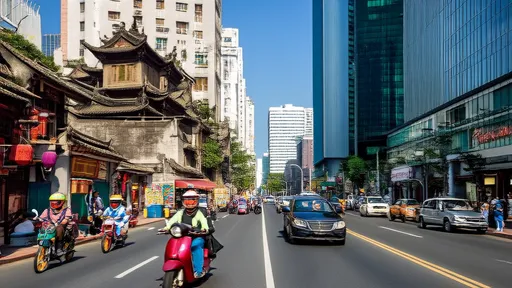
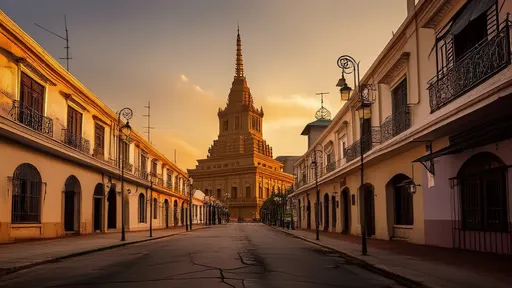
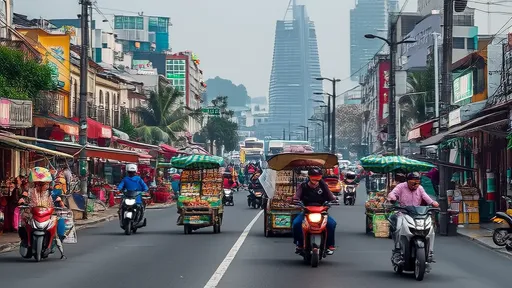
The very air in Vientiane seems to carry a sense of calm. Unlike the towering skyscrapers and bustling financial districts found in other capitals, the skyline here is dominated by golden stupas, French colonial architecture, and low-rise buildings that whisper stories of a rich and layered past. The pace is set not by traffic or deadlines but by the flow of the Mekong, the cycles of the sun, and the spiritual heartbeat of its people.
Mornings in Vientiane begin softly. The first light of dawn casts a golden glow over the river, where fishermen already glide silently in their narrow boats, and locals gather for quiet exercise or meditation along the banks. The scent of freshly brewed coffee and steaming bowls of pho or khao piak sen fills the air from street-side stalls, offering a comforting start to the day. There is no rush here—conversations linger, meals are savored, and time feels expansive.
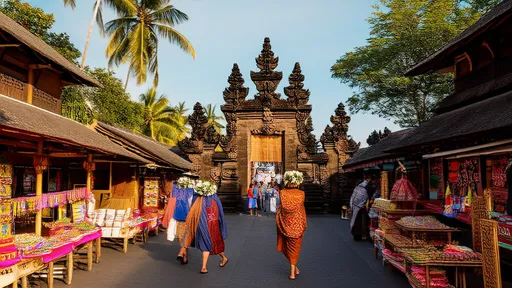
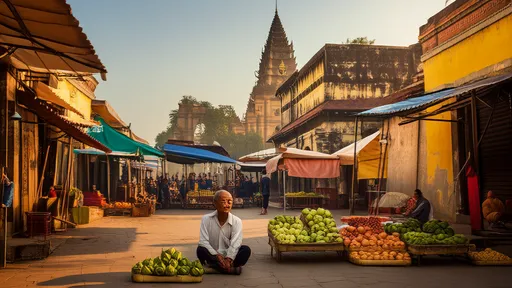
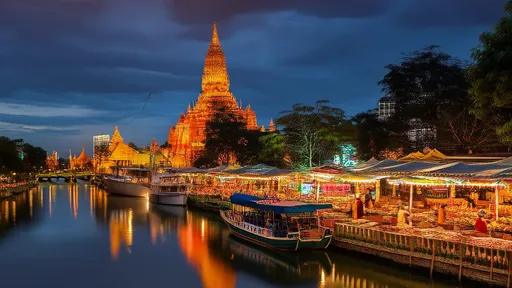
At the heart of Vientiane’s spiritual life stands Pha That Luang, the great golden stupa that symbolizes both the soul of the nation and the deep-rooted Buddhist faith of its people. Its gleaming spire reaches toward the sky, a beacon of serenity and reverence. Nearby, Wat Si Saket, with its thousands of Buddha images, and Haw Phra Kaew, once home to the Emerald Buddha, offer spaces for quiet contemplation amid intricately carved walls and shaded courtyards.
Yet spirituality in Vientiane is not confined to temples alone. It permeates everyday life—from the morning alms-giving ceremonies where monks walk silently through the streets, to the gentle smiles exchanged between strangers. This undercurrent of mindfulness gives the city its unique character, reminding all who visit that there is beauty in slowness, in being present.
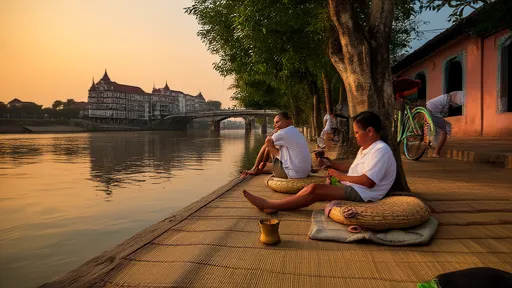
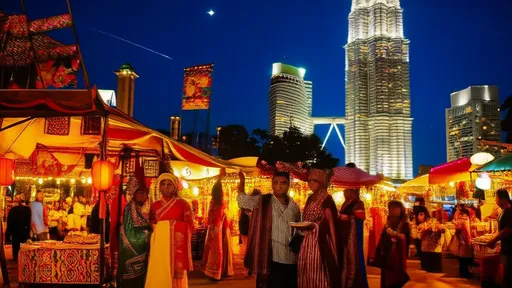
The Mekong River is more than just a geographic feature; it is the lifeblood of Vientiane. Along its banks, especially as evening approaches, the city comes alive in the most laid-back way possible. Families picnic on the riverbank, children play freely, and couples stroll hand in hand as the sun sets in a blaze of orange and pink. The night market, with its colorful handicrafts and relaxed vibe, adds to the atmosphere without ever feeling overwhelming.
Here, the river is a place of connection—to nature, to community, and to oneself. Boat rides at dusk offer stunning views and a sense of peace that is hard to find elsewhere. It’s a reminder that some of life’s greatest pleasures are simple, slow, and shared.
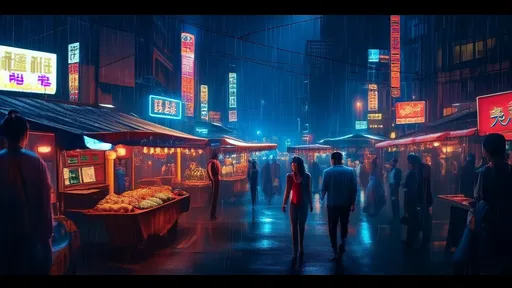
Vientiane’s culinary scene is a delightful reflection of its pace. Meals are not just about nourishment but about experience. From savoring laap, a traditional minced meat salad bursting with herbs and flavor, to enjoying a crisp Beerlao at a riverside eatery, dining here is leisurely and deeply satisfying. Street food vendors take pride in their craft, and conversations often flow as freely as the food.
The French colonial influence is still palpable, not only in the architecture but in the cozy bakeries that offer fresh baguettes and pastries—a perfect blend of East and West. Whether at a humble stall or a more upscale restaurant, every meal feels like an invitation to sit back, relax, and enjoy the moment.
Despite its slow pace, Vientiane is not stagnant. It is a city gently embracing the future while holding firmly to its roots. New cafes, boutique hotels, and art galleries have emerged, yet they blend seamlessly into the fabric of the city without disrupting its calm. The people of Vientiane, warm and welcoming, seem to understand something profound: that progress need not come at the cost of peace.
In a world obsessed with speed and efficiency, Vientiane offers a different paradigm. It is a place where time expands, where moments are treasured, and where the simple act of watching the river flow becomes a meditation. This is the magic of the world’s slowest capital—it doesn’t just change how you spend your time; it changes how you feel about time itself.
To visit Vientiane is to remember that life doesn’t always have to be lived in fast forward. Here, along the Mekong, amid golden temples and generous smiles, the art of slowing down feels not like a luxury but like coming home.
By /Sep 3, 2025
By /Sep 3, 2025
By /Sep 3, 2025
By /Sep 3, 2025
By /Sep 3, 2025
By /Sep 3, 2025
By /Sep 3, 2025
By /Sep 3, 2025
By /Sep 3, 2025
By /Sep 3, 2025
By /Sep 3, 2025
By /Sep 3, 2025
By /Sep 3, 2025
By /Sep 3, 2025

By /Sep 3, 2025
By /Sep 3, 2025
By /Sep 3, 2025
By /Sep 3, 2025

By /Sep 3, 2025
By /Sep 3, 2025
