In the southernmost reaches of Myanmar, where the land frays into a labyrinth of emerald and azure, lies Tanintharyi Division—a sliver of wilderness that remains one of Southeast Asia’s last great frontiers. Stretching from the Andaman Sea to the Thai border, this region is a tapestry of primordial rainforest, jagged limestone karsts, and untouched coastlines. To venture here is to step into a world untamed by mass tourism, where the rhythm of life is still dictated by monsoon winds, tidal whispers, and the calls of rare wildlife. This is not a destination for the faint of heart; it is a pilgrimage for those who seek raw, untethered adventure.
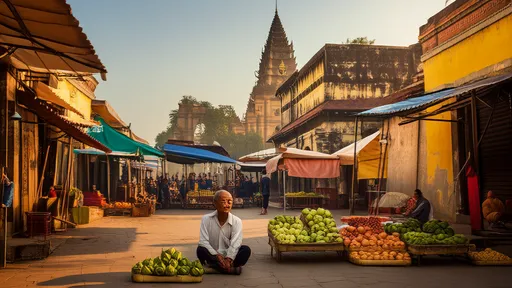
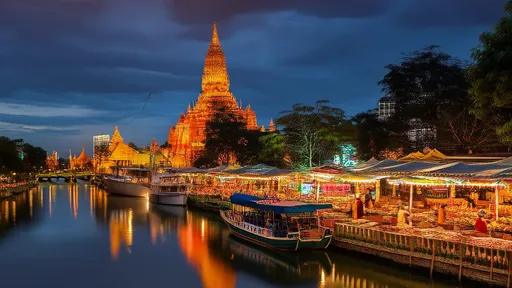
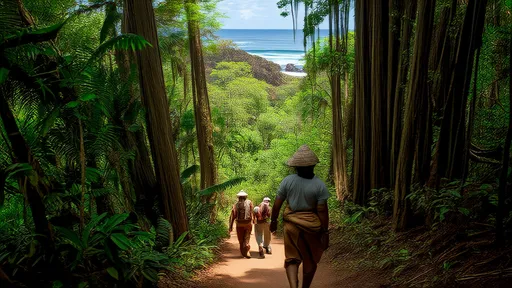
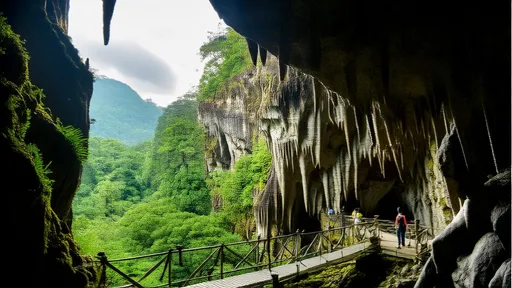
The journey often begins in the town of Myeik (Mergui), a historic port that feels suspended in time. From its weathered piers, wooden long-tail boats depart for the outer islands, but the true exploration lies inland and along the wild western shores. There are no paved trails here, no signposts or curated viewpoints. Navigation is an art form—a collaboration between local guides, intuition, and old-fashioned topographic maps. The humidity hangs thick and heavy, clinging to skin and clothing, while the forest canopy closes overhead like a cathedral of green. Every step is a negotiation with the terrain: tangled roots, sudden ascents, and creek crossings that appear with the rains.
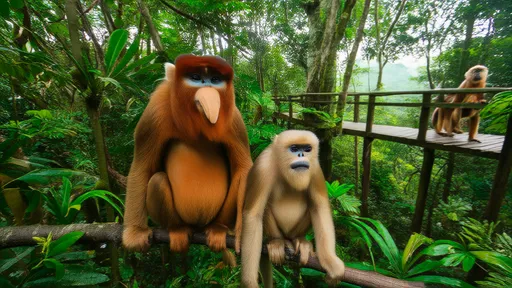
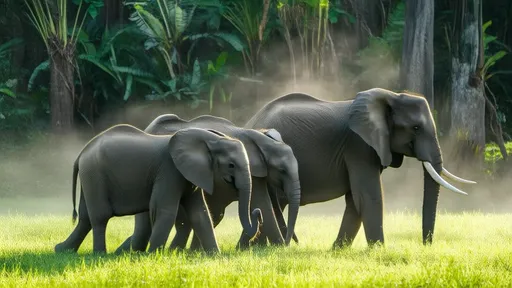
What defines Tanintharyi’s jungle is its staggering biodiversity. This is part of the Indo-Burma biodiversity hotspot, home to species rarely seen elsewhere. The haunting cry of the hornbill echoes through the canopy, while macaques and languors swing through the branches. With luck and silence, one might glimpse the shadow of a clouded leopard or the tracks of a Malayan sun bear. The forest floor is a living carpet of fungi, ferns, and flowering plants, some of which have yet to be classified by science. It is a place that reminds you how small humans are in the grand scheme of nature.
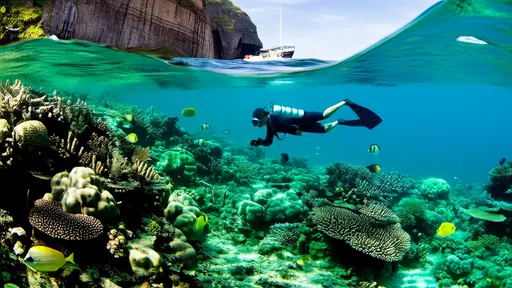
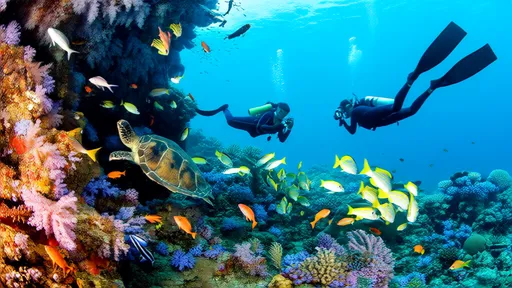
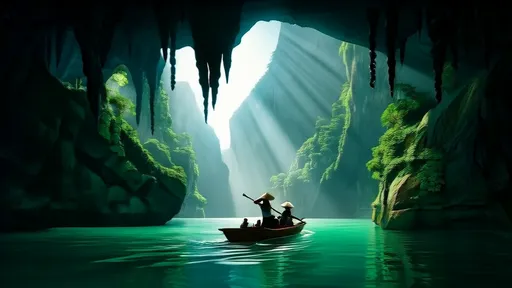
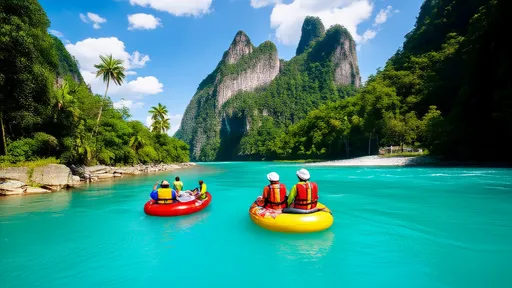
Emerging from the deep jungle, the landscape shifts abruptly to coastal splendour. Here, the jungle meets the sea in a dramatic collision of ecosystems. White-sand beaches appear like mirages, entirely empty save for the scuttling of ghost crabs and the occasional fishing boat drifting on the horizon. The coastline is rugged and unpredictable—a series of hidden coves, sea caves, and cliffs draped in vines. During the monsoon, the waves crash with fury; in the dry season, the water is so clear you can see eagle rays gliding over coral gardens.
But it is the cultural encounters that lend depth to the physical challenge. Scattered throughout the region are small communities of the Moken, an indigenous sea-faring people often called "sea gypsies." Their relationship with the ocean and the forest is one of profound symbiosis. They read the tides like pages of a book, predict weather by the behaviour of animals, and build boats using methods passed down through generations. To share a meal with a Moken family—perhaps freshly caught fish grilled over an open fire—is to understand a way of life that modernity has largely overlooked.
Nights in Tanintharyi are an experience in themselves. Far from any light pollution, the sky becomes a dome of stars so vivid they feel within reach. In the jungle, the darkness is absolute, alive with the chorus of insects and frogs. On the coast, bioluminescent plankton sometimes washes ashore, turning the waves into liquid silver. There are no luxury resorts here; accommodation ranges from basic homestays in fishing villages to wild camping under tarpaulins. This is where you remember that comfort is not a prerequisite for wonder.
Yet this pristine corner of the world is not without its vulnerabilities. Illegal logging, mining, and plans for industrial development loom on the horizon. Climate change, too, is altering monsoon patterns and sea levels. The very isolation that protects Tanintharyi also makes it susceptible to exploitation away from the world’s eyes. Those who travel here carry a responsibility to tread lightly—to follow Leave No Trace principles, support local guides, and advocate for sustainable tourism practices that benefit both the environment and the communities.
To walk through Tanintharyi is to witness a world that feels both ancient and ephemeral. It is a reminder of what the earth looked like before borders, before highways, before the noise of civilization. It demands resilience, humility, and a willingness to surrender control. There are no guarantees here—only the promise of authenticity. And in an age where so much of travel has been polished and packaged, that may be the greatest luxury of all.
For those who answer its call, the rewards are immeasurable: the sight of a phosphorescent sea, the taste of salt and sweat, the profound silence of a forest that has never known the sound of an engine. This is not a holiday; it is an expedition into the heart of what it means to be wild, and what it means to be human.

By /Sep 3, 2025
By /Sep 3, 2025

By /Sep 3, 2025
By /Sep 3, 2025
By /Sep 3, 2025
By /Sep 3, 2025
By /Sep 3, 2025
By /Sep 3, 2025
By /Sep 3, 2025

By /Sep 3, 2025
By /Sep 3, 2025
By /Sep 3, 2025
By /Sep 3, 2025
By /Sep 3, 2025
By /Sep 3, 2025
By /Sep 3, 2025

By /Sep 3, 2025
By /Sep 3, 2025
By /Sep 3, 2025
By /Sep 3, 2025
