Phnom Penh stands today as a city of profound contrasts, a place where the whispers of a traumatic past coexist, often uneasily, with the vibrant hum of a rapidly modernizing present. To walk its streets is to navigate a living palimpsest, where layers of history, both brutal and beautiful, are constantly being written and rewritten. The very air feels thick with memory, a silent testament to a resilience that defines the Cambodian spirit. This is not merely a capital city; it is a symbol of survival, a complex narrative of pain and progress unfolding in real time.
The name itself, Killing Fields, evokes one of the darkest chapters in human history. Just a short drive from the bustling city center lies Choeung Ek, one of the most infamous sites of the Khmer Rouge genocide. The air here is different—still, heavy, and sacred. The central stupa, filled with tier upon tier of human skulls, is a visceral, heartbreaking monument to the scale of the loss. It is a place that commands silence, forcing visitors to confront the depths of human cruelty. These fields are not relics frozen in time; they are open wounds in the nation's psyche, a permanent scar on the landscape that serves as a grim and necessary reminder.
This history is inextricably linked to the city's fabric. The Tuol Sleng Genocide Museum, once a high school transformed into the S-21 security prison, stands in stark contrast to its surroundings. Its classrooms, converted into tiny brick torture cells and interrogation rooms, display haunting black-and-white photographs of the thousands who entered and never left. The faces in these photos—men, women, and even children—stare out, their expressions a confusing mix of fear, defiance, and confusion. This is not a museum one 'enjoys'; it is an experience that shatters and rebuilds one's understanding of humanity. It is a pilgrimage to the epicenter of pain, essential for comprehending the weight that modern Cambodia carries on its shoulders.
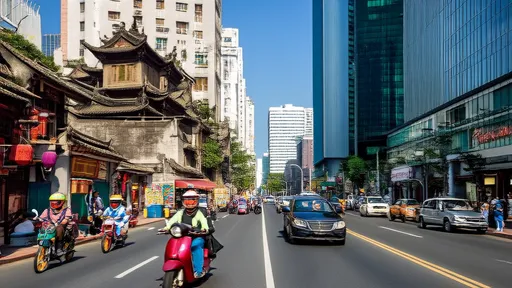
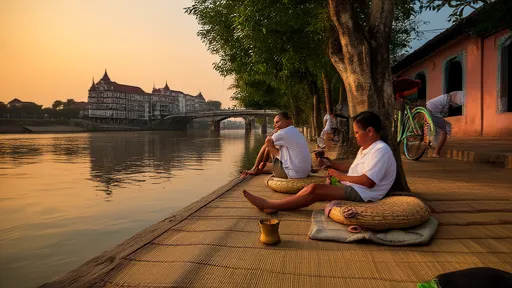
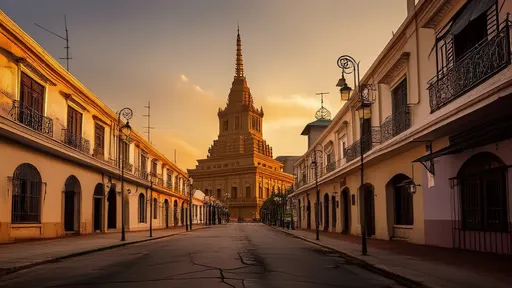
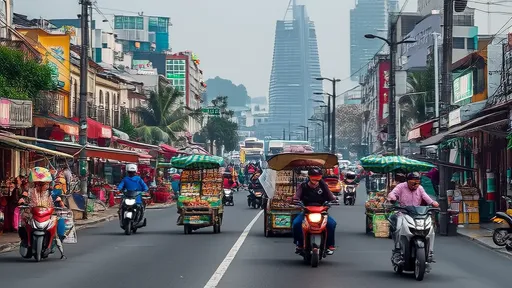
And yet, to define Phnom Penh solely by its trauma would be a grave injustice. From the ashes of that era, a new city has risen with defiant energy. The riverfront is now a sprawling promenade, Sisowath Quay, buzzing with trendy cafes, international restaurants, and bars that spill onto the pavement. Young Cambodians on sleek motorbikes weave through traffic, smartphones in hand, their laughter echoing against the backdrop of colonial-era buildings. The city's skyline, once low and subdued, is now punctuated by cranes and the gleaming glass of new high-rises and commercial centers, symbols of foreign investment and economic ambition.
This economic development is palpable. New shopping malls offer a world of consumer luxury, a stark contrast to the deprivation of a generation ago. The roar of construction is a constant soundtrack, building not just offices and condos but a new future. This rapid change brings a palpable sense of optimism, a collective forward momentum driven by a youthful population eager to connect with the global economy. There is a hunger for progress, a desire to claim a place on the world stage that is entirely separate from the narratives of war and genocide.
But this progress is not without its complexities and tensions. The breakneck pace of development often feels uneven, creating a city of stark juxtapositions. A gleaming Lexus might speed past a traditional wooden house on stilts. A homeless child might sleep in the shadow of a five-star hotel. The gap between the wealthy and the poor is visible and widening, a common story in booming Asian capitals, but one that feels particularly acute here given the collective suffering everyone's ancestors endured. The quest for modernization threatens to erase parts of the city's architectural heritage and communal spaces, leading to debates about what exactly is being built, and for whom.
This duality—the coexistence of memory and ambition—creates a unique and sometimes disorienting urban experience. One can stand before the majestic Royal Palace, with its glittering Silver Pagoda, a site of serene spiritual and historical continuity, and hear the faint echo of loudspeakers from a political rally or a commercial megaphone. One can enjoy a sophisticated dinner in a converted colonial villa, only to later pass a street altar where families light incense for lost loved ones. The past is not buried; it is acknowledged, remembered, and woven into the daily act of moving forward.
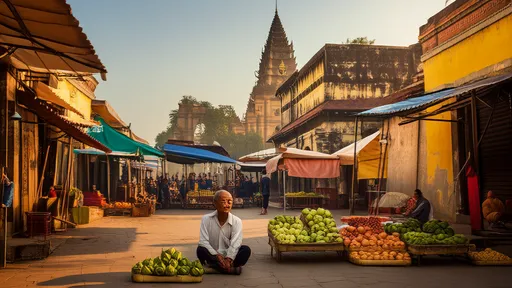
The spiritual life of the city provides a crucial bridge between these two worlds. The gentle chimes from countless Buddhist temples (wats) provide a constant, soothing soundtrack to the urban chaos. These temples are not merely tourist attractions; they are active centers of community, healing, and remembrance. Monks in saffron robes walk peacefully alongside businessmen in suits. For a population that suffered immensely under the anti-religious Khmer Rouge, the revival of these practices is a powerful act of reclamation and healing. It is a way to honor those who were lost while seeking peace and merit for the living.
Perhaps the most powerful symbol of this negotiation between past and future is the people themselves. The older generation, those who survived the horrors, often carry a quiet stoicism. Their stories, when shared, are gifts of immense trust and pain. The younger generation, who know the history only through stories, museums, and the silent grief of their parents, are tasked with building a new Cambodia. They navigate a world of global culture and economic opportunity while bearing the responsibility of this inherited memory. They are the living link, embodying both the resilience born of suffering and the hope born of possibility.
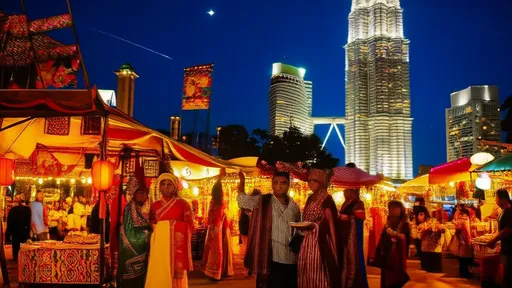
Phnom Penh, therefore, refuses to be simple. It is a city that demands to be understood in its full complexity. It is a place of mourning and of celebration, of ancient tradition and hyper-modernity. The Killing Fields are not a separate entity from the bustling markets or sparkling towers; they are part of the same story. The challenge for Phnom Penh, and for Cambodia as a whole, is to continue its ambitious development without forgetting the soil from which it grows—soil that is, tragically and undeniably, fertilized by the bones of its past. To visit is to witness this difficult, ongoing, and profoundly human balancing act.
By /Sep 3, 2025
By /Sep 3, 2025
By /Sep 3, 2025
By /Sep 3, 2025
By /Sep 3, 2025
By /Sep 3, 2025
By /Sep 3, 2025
By /Sep 3, 2025
By /Sep 3, 2025
By /Sep 3, 2025
By /Sep 3, 2025

By /Sep 3, 2025

By /Sep 3, 2025

By /Sep 3, 2025

By /Sep 3, 2025
By /Sep 3, 2025

By /Sep 3, 2025

By /Sep 3, 2025

By /Sep 3, 2025
By /Sep 3, 2025
