As dusk descends upon Manila Bay, painting the sky in hues of burnt orange and violet, the city begins its metamorphosis. The languid pace of the tropical afternoon gives way to a pulsating energy that courses through the streets like an electric current. This is when Manila truly awakens, transforming into what locals proudly call Asia's New York - a metropolis that never sleeps, where every corner holds the promise of adventure and every moment thrums with life.
The comparison to New York isn't merely poetic license. Like its Western counterpart, Manila operates on a 24-hour cycle of relentless activity. While financial districts like Makati and BGC mirror Manhattan's corporate intensity by day, it's after dark that the parallel becomes most striking. The city reveals its dual nature - both chaotic businessman and flamboyant artist, simultaneously pursuing economic ambitions and creative passions under the cover of night.
Nowhere is this more evident than in the labyrinthine streets of Malate and Ermita, where the night air carries the scent of sizzling pork barbecue mixed with the salty tang of the nearby bay. Here, generations of writers, artists, and musicians have gathered in dimly lit cafes that have witnessed both revolutionary plotting and romantic assignations. The walls of these establishments could tell stories of political upheavals whispered over strong coffee, of love letters composed on napkins, of dreams conceived over bottles of San Miguel Beer.
Meanwhile, in the contemporary art spaces of Poblacion, a new generation of creators pushes boundaries until the early hours. Galleries morph into performance venues where spoken word artists compete with the rhythm of DJ sets bleeding through walls. The energy here is raw, unfiltered, and deliciously unpredictable - a far cry from the sanitized nightlife of other Asian capitals. You're just as likely to stumble upon an impromptu jazz session in someone's living room as you are to find a pop-up restaurant serving innovative Filipino fusion cuisine.
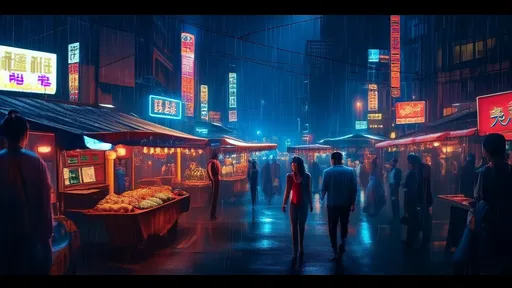
The culinary scene alone justifies the sleepless reputation. From midnight ramen stalls to 24-hour sisig joints, from gourmet food trucks to century-old restaurants still serving the same recipes perfected by great-grandfathers - Manila feeds its night owls with relentless generosity. The sizzle of garlic rice on hot woks provides the city's soundtrack between midnight and dawn, while the distinctive aroma of brewing kapeng barako signals the changing shifts of night workers.
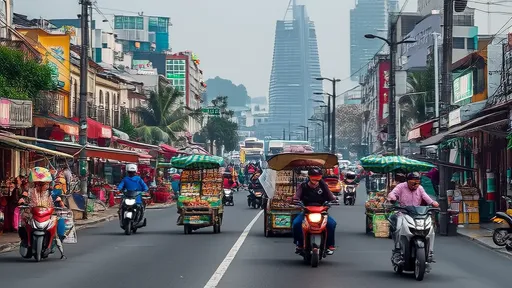
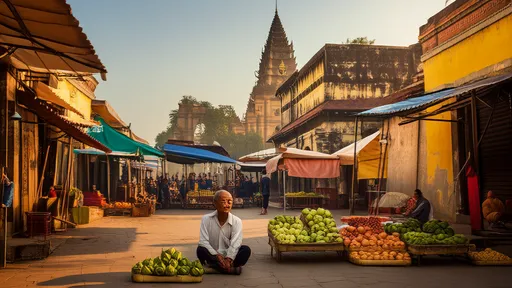
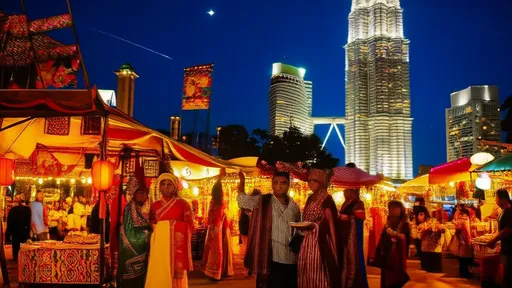
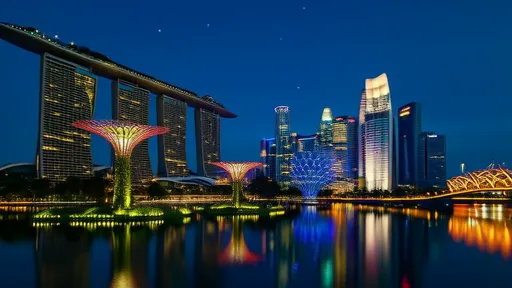
What truly sets Manila apart is its particular blend of organized chaos and spontaneous humanity. Unlike the meticulously planned nightscapes of Singapore or Tokyo, Manila's nighttime ecosystem evolves organically, often defiantly. Street vendors materialize at dusk with their makeshift grills, creating pop-up food courts that would violate a dozen regulations in other cities but here become community hubs where bankers and jeepney drivers might share a plastic table.
The romance of Manila by night isn't the polished variety found in travel brochures. It's grittier, more real, and ultimately more captivating. It's in the way couples stroll along the Baywalk, ignoring the traffic chaos behind them as they watch the moonlight dance on the water. It's in the spontaneous karaoke sessions that erupt from hole-in-the-wall bars, where off-key renditions of Air Supply songs become heartfelt declarations of emotion. It's in the jeepneys rattling through the night, their kaleidoscopic decorations creating moving art installations against the dark cityscape.
Economic disparities become both more visible and more blurred after dark. In the shadow of gleaming condominiums where young professionals sip craft cocktails, informal settlements come alive with their own vibrant economy. Makeshift bars offer cheap drinks and heartfelt conversation, proving that community doesn't require expensive real estate. This juxtaposition creates a unique social fabric where different worlds coexist, sometimes uneasily but always fascinatingly.
The city's cultural institutions have embraced this nocturnal identity. Museums host after-hours events where classical exhibitions meet contemporary performance art. Libraries organize nighttime reading sessions for insomniac bibliophiles. Even historical sites like Intramuros offer moonlit tours where the ghosts of Spanish colonialism seem to walk alongside modern-day revelers.
For the creative class, the night provides both inspiration and opportunity. Film editors work through the dawn hours in post-production studios, their screens glowing like digital campfires. Call center agents heading to work pass musicians heading home from gigs, their paths crossing in the purple hour between night and morning. Writers haunt 24-hour coffee shops, finding their muse in the city's nighttime rhythm.
Manila's relationship with the night is both ancient and constantly renewing. Before skyscrapers defined the skyline, before the Americans came and named the streets, before the Spanish built walls and churches, the communities around Manila Bay were already thriving under the stars. The modern city's sleepless energy feels like the contemporary manifestation of this ancient rhythm - the same water, different vessels; the same darkness, different lights.
Perhaps the most magical transformation occurs along the coastline as dawn approaches. Night fishermen return with their catch while last-call revelers stumble home. The two worlds exist in delicate balance for a brief moment before the sun rises again. In that liminal hour, Manila reveals its essential truth: this city isn't just awake when others sleep - it lives on a different frequency altogether, one that harmonizes madness and melody, chaos and creation, desperation and dream-chasing in a way that feels uniquely, magnificently Filipino.
The romance of Manila after dark isn't for everyone. It demands a certain tolerance for unpredictability, a willingness to embrace contradictions, and an appreciation for beauty that doesn't come neatly packaged. But for those who answer its call, the city offers something increasingly rare in our homogenized world - a genuine urban adventure where every night writes its own story and every dawn feels like a gift bestowed only on those brave enough to stay up and receive it.
By /Sep 3, 2025
By /Sep 3, 2025
By /Sep 3, 2025
By /Sep 3, 2025
By /Sep 3, 2025
By /Sep 3, 2025
By /Sep 3, 2025
By /Sep 3, 2025
By /Sep 3, 2025
By /Sep 3, 2025
By /Sep 3, 2025

By /Sep 3, 2025
By /Sep 3, 2025

By /Sep 3, 2025

By /Sep 3, 2025

By /Sep 3, 2025

By /Sep 3, 2025

By /Sep 3, 2025

By /Sep 3, 2025
By /Sep 3, 2025
