Dachshunds, with their distinctive long bodies and short legs, are among the most beloved and recognizable dog breeds worldwide. Their unique physique, however, comes with a significant health consideration: a predisposition to Intervertebral Disc Disease, commonly referred to as IVDD. This condition is a serious and often painful degeneration of the spinal discs that can lead to severe mobility issues and, in worst-case scenarios, paralysis. For any dachshund owner, understanding this disease is not merely an academic exercise; it is a fundamental aspect of responsible pet ownership, crucial for ensuring a long, happy, and comfortable life for their furry companion.
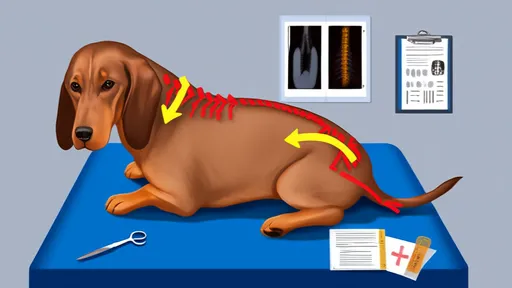
The very anatomy that makes the dachshund such an effective and charming hunter is also its greatest vulnerability. Their elongated spine is supported by a series of vertebrae, and between each vertebra lies a cushioning disc. These discs have a tough, fibrous outer layer and a soft, gel-like inner core. In dachshunds, a genetic predisposition often leads to the premature hardening of this inner material, a process known as chondroid degeneration. This loss of elasticity makes the discs brittle and susceptible to injury. A simple jump off the couch, a misstep on the stairs, or even an enthusiastic wiggle can cause a weakened disc to bulge or rupture, pressing painfully on the delicate spinal cord nerves.
Recognizing the signs of IVDD early can dramatically alter the outcome for a dog. Symptoms can appear suddenly after a minor trauma or develop gradually over time. Owners should be vigilant for any changes in behavior that might indicate pain or neurological impairment. A classic early sign is a reluctance to move, climb stairs, or jump onto furniture that was previously effortless. The dog may yelp or cry out unexpectedly if touched or when moving in a certain way. As the condition progresses, more severe neurological symptoms can manifest, including an unsteady, wobbly gait known as ataxia, weakness in the hind legs, dragging of the knuckles on the back paws, loss of bladder or bowel control, and ultimately, paralysis. Any of these signs warrant immediate veterinary attention.
Upon suspecting IVDD, a veterinarian will conduct a thorough neurological examination to assess the dog's reflexes, pain perception, and limb function. This physical exam helps localize the area of spinal injury. To confirm the diagnosis and evaluate the severity of the compression, advanced imaging is almost always necessary. While X-rays can rule out other issues like fractures, they cannot show the soft tissue of the discs or spinal cord. Therefore, a myelogram, which is an X-ray taken after injecting a special dye around the spinal cord, or more commonly now, an MRI or CT scan, provides the detailed view needed to see the extent of the damage and plan treatment.
Treatment for IVDD is highly dependent on the severity of the clinical signs and the results of diagnostic imaging. Cases are often graded on a scale from I to V, with Grade I being mild pain and Grade V representing deep pain negative paralysis. For milder cases (Grades I and II), a protocol of strict crate rest and anti-inflammatory medication is the cornerstone of conservative management. This is not merely limiting activity; it means confining the dog to a small crate or pen 24/7 for a period of four to eight weeks, only allowing them out on a leash for brief bathroom breaks. This enforced rest is critical to allow the body to form scar tissue around the injured disc and reduce inflammation. Pain management and muscle relaxants are also integral to keeping the dog comfortable during this recovery period.
For more severe cases where there is significant weakness, paralysis, or a loss of deep pain sensation, or when conservative management fails, surgical intervention becomes the recommended course of action. The most common procedure is a hemilaminectomy, where a small window is made in the vertebral bone to access the spinal canal and remove the disc material that is compressing the nerves. The primary goal of surgery is to decompress the spinal cord, halt further damage, and provide the best possible environment for nerve healing. It is important to understand that surgery does not guarantee a full recovery, especially in the most severe cases, but it offers the best chance for regaining function. Post-operative care involves an extended period of rest and, often, a dedicated program of rehabilitation and physical therapy.
Rehabilitation is a powerful tool for recovery, whether a dog is treated conservatively or surgically. Under the guidance of a certified canine rehabilitation therapist, techniques like hydrotherapy (using an underwater treadmill), laser therapy, therapeutic exercises, and massage can work wonders. These modalities help reduce pain, rebuild lost muscle mass, improve circulation, and retrain the nervous system. The commitment to rehab can significantly improve a dog's quality of life and functional outcome, turning a daunting prognosis into a story of resilience and recovery.
Given the high prevalence of IVDD in the breed, prevention and proactive daily care are the most powerful weapons an owner has. This begins with weight management. Every extra pound on a dachshund's frame places exponentially more strain on their vulnerable spine. Keeping a dachshund lean and fit is arguably the single most important thing an owner can do to reduce the risk of IVDD. A balanced diet and appropriate exercise are key. Exercise should be controlled; long, brisk walks on a leash are excellent for building strong core muscles that support the spine, while uncontrolled running and high-impact play should be avoided.
Environmental management is equally critical. Dachshunds should be actively discouraged from jumping on and off furniture. Providing ramps or steps to access beds and sofas allows them to be with their family without the dangerous impact. Similarly, navigating stairs should be minimized or supervised. Using a harness instead of a collar for walks prevents pressure on the neck and cervical spine. From puppyhood, training a dachshund to have good habits around movement can set them up for a lifetime of spinal health. It’s about creating a safe environment that accommodates their physical form without limiting their spirit.
Living with a dachshund diagnosed with IVDD, especially if they have lasting mobility challenges, requires adaptation and immense compassion. Dogs that have lost the use of their back legs can still live incredibly joyful and full lives with the aid of a dog wheelchair or cart. These devices support their hindquarters, allowing them to run and play with surprising freedom. Care must be taken to prevent pressure sores if the dog is dragging itself, and special attention is needed for bladder and bowel expression if they have lost control. The bond between an owner and a special-needs dachshund is often profound, built on patience, dedication, and the celebration of small victories.
In conclusion, while the shadow of IVDD looms large over the dachshund breed, it is not a predetermined fate. Knowledge is power. By understanding the risks, implementing rigorous preventive care measures, recognizing the early warning signs, and pursuing prompt and appropriate treatment, owners can profoundly influence their dachshund's well-being. These intrepid, courageous dogs give their humans endless loyalty and laughter; in return, safeguarding their spinal health is one of the greatest acts of love an owner can provide. A proactive approach ensures that these long-bodied, big-hearted dogs can thrive throughout their entire lives.
By /Aug 20, 2025
By /Aug 20, 2025
By /Aug 20, 2025

By /Aug 20, 2025
By /Aug 20, 2025
By /Aug 20, 2025
By /Aug 20, 2025
By /Aug 20, 2025
By /Aug 20, 2025
By /Aug 20, 2025

By /Aug 20, 2025

By /Aug 20, 2025

By /Aug 20, 2025

By /Aug 20, 2025

By /Aug 20, 2025

By /Aug 20, 2025

By /Aug 20, 2025

By /Aug 20, 2025

By /Aug 20, 2025

By /Aug 20, 2025
