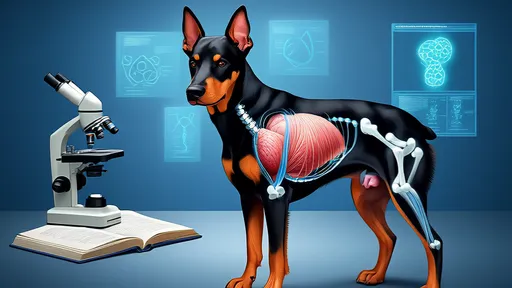
Doberman Pinschers, with their sleek coats, athletic builds, and unwavering loyalty, have long been celebrated as one of the most intelligent and capable working breeds. Their presence commands respect, and their history is deeply intertwined with roles of protection and service. However, beneath this formidable exterior lies a genetic vulnerability that has become a significant concern for breeders, veterinarians, and owners alike. The breed is disproportionately afflicted by a suite of serious, and often fatal, hereditary conditions, primarily targeting two of the most critical systems in the body: the heart and the nervous system. These are not mere quirks of the breed but profound health challenges that shape the lives of these dogs and the people who care for them.
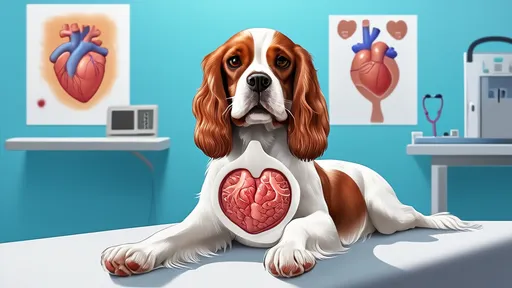
The most devastating of these hereditary ailments is undoubtedly Dilated Cardiomyopathy, or DCM. This is a disease of the heart muscle that leads to a progressive weakening and enlargement of the organ. In a healthy heart, the muscular walls are thick and powerful, pumping blood efficiently throughout the body. In a Doberman with DCM, these walls become thin and flabby, like an overstretched balloon. The heart chambers, particularly the left ventricle, dilate and can no longer contract with adequate force. This diminished pumping action leads to a decrease in the oxygen-rich blood supply to the body's tissues and organs, a condition known as heart failure.
The progression of DCM in Dobermans is often described as having two phases: the occult (hidden) phase and the overt (clinical) phase. The occult phase can last for years, silently damaging the heart without presenting any outward signs of illness. The dog may appear perfectly healthy, energetic, and normal during this entire period. This is the most insidious aspect of the disease. It is only when the heart's compensatory mechanisms are finally exhausted that the overt phase begins. Symptoms then emerge, often suddenly and severely. These can include lethargy, weakness, coughing, difficulty breathing, fainting episodes (syncope), and a visibly distended abdomen due to fluid accumulation. Tragically, for some dogs, the first and only sign of DCM is sudden cardiac death, often following a period of excitement or exercise.
The genetic basis for DCM in Dobermans is complex and has been the focus of intense research. It is not caused by a single gene but is believed to be a polygenic trait, meaning multiple genes are involved. Two specific genetic mutations, in the PDK4 and TTN genes, have been identified and are strongly associated with an increased risk of developing the disease. Genetic testing for these mutations is available and has become a crucial tool for breeders aiming to make informed decisions. However, the presence of these mutations does not guarantee a dog will develop DCM, and their absence does not guarantee it will not, highlighting the intricate and not yet fully understood genetic landscape of this condition. The mode of inheritance appears to be autosomal dominant with variable penetrance, meaning a dog only needs to inherit the faulty gene from one parent to be at risk, but whether and how severely the disease manifests can vary greatly.
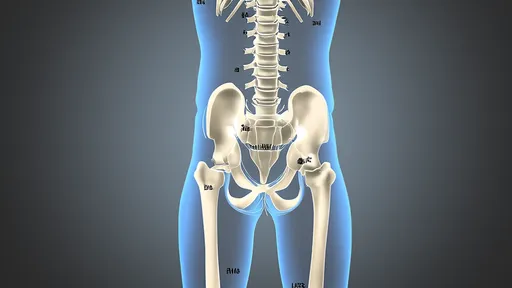
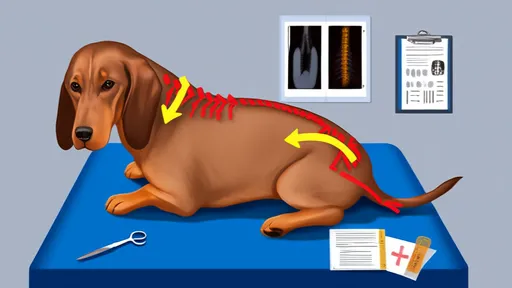
While DCM attacks the engine of life, another set of hereditary conditions assails the command center: the nervous system. Cervical Vertebral Instability (CVI), more commonly known as Wobbler Syndrome, is a serious neurological disorder prevalent in the breed. It involves a malformation or instability of the vertebrae in the neck, which puts pressure on the spinal cord. This compression disrupts the vital nerve signals traveling between the brain and the rest of the body, leading to a characteristic unsteady, "wobbly" gait, especially in the hind legs. Affected dogs may struggle to rise, stumble, cross their legs when walking, and in severe cases, can become paralyzed. The condition can be caused by either a bony malformation of the vertebrae or a bulging of the intervertebral discs, and it often presents in either a classic form in young, growing dogs or a disc-associated form in older adults.
Beyond Wobbler Syndrome, Dobermans are also predisposed to other neurological challenges. Narcolepsy, a disorder characterized by the sudden onset of sleep, is documented in the breed and is believed to have a genetic component. While not life-threatening, it can be alarming to witness a dog suddenly collapse into a state of sleep or paralysis, often triggered by excitement or eating. More concerning is a condition known as Dancing Doberman Disease. This unusual syndrome typically begins with a mild, involuntary flexing of one hind leg while the dog is standing. Over time, it often progresses to involve both hind legs, causing the dog to appear to "dance" by alternately lifting each leg. While it usually starts after middle age and is not typically painful, it can eventually lead to greater mobility issues and weakness.
Perhaps the most heart-wrenching neurological disorder is Congenital Vestibular Disease, which affects puppies from birth. These pups are born with a severe lack of coordination, a constant head tilt, and rapid, jerky eye movements (nystagmus). They have tremendous difficulty walking and navigating their world. The prognosis is poor, and due to the profoundly diminished quality of life, euthanasia is often the most humane choice. This points to a profound ethical responsibility for anyone involved in bringing Doberman puppies into the world.
The high prevalence of these diseases places a tremendous burden of responsibility on breeders who are truly dedicated to the betterment of the breed. Ethical breeding practices are the single most important weapon in the fight against these genetic disorders. This goes far beyond simply mating two champion show dogs. It requires a deep commitment to health testing and making difficult, sometimes heartbreaking, decisions for the long-term health of the breed line. For DCM, this means performing regular echocardiograms and Holter monitor screenings (a 24-hour ECG) on breeding stock, starting from a young age and repeating them annually. Relying on genetic tests for known mutations, while understanding their limitations, is also key. For neurological issues, screening involves careful neurological exams and advanced imaging like MRI or CT scans for dogs showing any signs of Wobbler's. The goal is to identify affected and carrier animals and remove them from breeding programs, thereby gradually reducing the frequency of the deleterious genes in the population.
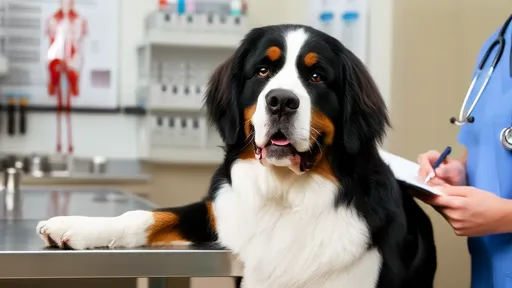
For an owner, navigating this landscape requires vigilance, partnership with a veterinarian, and proactive management. Before even acquiring a Doberman puppy, prospective owners must do their homework. They should seek out reputable breeders who can provide documented proof of health screenings for the puppy's parents and grandparents for generations back. This documentation should include clear cardiac and orthopedic results. Once a dog is part of the family, establishing a relationship with a veterinarian familiar with breed-specific issues is crucial. Annual check-ups are not enough; discussing a preventative screening plan for DCM, including when to start echocardiograms, is essential. Being attuned to subtle changes in a dog's energy, breathing, or gait can lead to early detection and intervention, which can dramatically improve both the quality and length of the dog's life.
Living with a Doberman means accepting a contract written in both joy and potential sorrow. It is a commitment to a creature of immense beauty, intelligence, and devotion, but also one that may carry a hidden biological time bomb. The specter of a sudden collapse or a diagnosis of a progressive, incurable disease is a heavy weight for any owner to bear. This reality makes the healthy years all the more precious and underscores the critical importance of every decision made from the moment of conception. The future of the Doberman Pinscher as a vibrant, healthy breed depends almost entirely on the unwavering dedication of the human stewards who breed, care for, and love them. It is a future that must be built on science, ethics, and a profound respect for the deep bond we share with these magnificent animals.
By /Aug 20, 2025
By /Aug 20, 2025
By /Aug 20, 2025

By /Aug 20, 2025
By /Aug 20, 2025
By /Aug 20, 2025
By /Aug 20, 2025
By /Aug 20, 2025
By /Aug 20, 2025
By /Aug 20, 2025

By /Aug 20, 2025

By /Aug 20, 2025

By /Aug 20, 2025
By /Aug 20, 2025

By /Aug 20, 2025

By /Aug 20, 2025

By /Aug 20, 2025

By /Aug 20, 2025

By /Aug 20, 2025

By /Aug 20, 2025
